Best PCOD Treatment Specialist in Chembur
Polycystic Ovary Syndrome (PCOS), also known as PCOD, is one of the most common hormonal disorders affecting women of reproductive age, especially in urban areas where lifestyle patterns have significantly evolved. It is not just a reproductive condition but a complex metabolic disorder that impacts hormonal balance, insulin function, and even mental health. Seeking guidance from the Best PCOD Treatment Specialist in Chembur can help in early diagnosis, effective management, and improved long-term well-being.
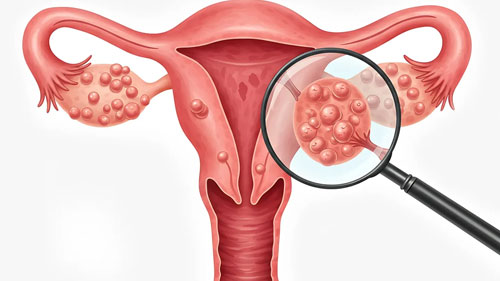
PCOS typically develops when the ovaries produce a large number of immature or partially matured eggs. Over time, these eggs form small cysts, which interfere with the normal functioning of the ovaries. This condition leads to a hormonal imbalance, particularly an increase in androgens, often referred to as male hormones. As a result, ovulation is disrupted, causing irregular menstrual cycles or, in some cases, the complete absence of periods.
The causes of PCOD are multifactorial, involving a combination of biological and environmental factors. One of the key contributors is hormonal imbalance, where excess androgen levels hinder the proper growth and release of eggs during the menstrual cycle. Another significant factor is insulin resistance, a condition in which the body’s cells do not respond effectively to insulin. This leads to elevated insulin levels in the bloodstream, which further stimulate the ovaries to produce more androgens, thereby worsening the condition.
Symptoms
The symptoms of PCOS can vary greatly from person to person, which is why the condition sometimes goes undiagnosed for years. One of the earliest and most noticeable symptoms is an irregular menstrual cycle.Women may experience delayed periods, missed periods, or unusually heavy bleeding. Another common symptom is weight gain, particularly around the abdomen, which is often associated with insulin resistance. Many women also suffer from persistent acne and oily skin due to elevated androgen levels.
Excessive hair growth on the face, chest, or other parts of the body is another typical symptom, known as hirsutism. At the same time, some women may experience hair loss on the scalp, similar to male-pattern baldness.PCOS can also affect fertility, as irregular ovulation makes conception difficult. Beyond the physical symptoms, the condition can affect emotional health and lead to mood swings, anxiety, and fatigue. These symptoms often create a vicious cycle in which stress further exacerbates the hormonal imbalance.
Diagnosis
The diagnosis of PCOS typically involves a thorough assessment of symptoms, medical history, and diagnostic tests. Doctors may recommend blood tests to measure hormone levels, blood sugar and insulin function. An ultrasound is often performed to detect cysts in the ovaries.Early diagnosis is important because untreated PCOS can increase the risk of long-term complications such as type 2 diabetes, cardiovascular disease, and infertility.
As for treatment, there is no permanent cure for PCOS, but the condition can be effectively managed with the right approach. The foundation of treatment is lifestyle changes. A balanced diet consisting of whole foods, lean protein, and high-fiber foods helps regulate blood sugar and hormone levels. Regular physical activity improves insulin sensitivity and supports weight management.Even a small amount of weight loss can lead to significant relief of symptoms.Medical treatments are often used in conjunction with lifestyle changes. Doctors may prescribe hormone medications to regulate the menstrual cycle and lower androgen levels. Insulin-sensitizing medications can help improve the body’s insulin response. Women who suffer from acne or excessive hair growth may be recommended specific medications to alleviate these symptoms. In cases where fertility is an issue, ovulation-inducing treatments or assisted reproductive technologies may be considered.
Long-term treatment of PCOS requires consistent monitoring and a proactive approach. Regular check-ups help monitor hormone levels, blood sugar, and overall metabolic health. Since PCOS is closely linked to lifestyle factors,adhering to a disciplined routine is crucial for keeping symptoms under control.
Seeking Consultation with a specialist is an important step toward effective treatment of PCOS. Consulting a specialist in Best PCOS Treatment in Chembur allows for care tailored to your individual needs. A specialist can assess the severity of the condition, identify underlying triggers, and develop a comprehensive treatment plan that includes medication, nutrition, and lifestyle strategies. This targeted approach not only helps manage current symptoms but also prevents future complications.While it may not always be possible to completely prevent PCOS, especially when genetic factors are involved, its effects can be significantly reduced. Maintaining a healthy weight, engaging in physical activity, and managing stress play a crucial role in prevention and management. Recognizing menstrual irregularities and seeking medical advice early on can make a significant difference in long-term outcomes.
Frequently Asked Questions
What is PCOD?
PCOD (Polycystic Ovarian Disease) is a hormonal condition where the ovaries produce immature or partially mature eggs, leading to cyst formation, irregular periods, and hormonal imbalance.
What are the common symptoms of PCOD?
Common symptoms include irregular or missed periods, weight gain, acne, excessive hair growth (face/body), hair thinning, and difficulty in conceiving.
What causes PCOD?
PCOD is mainly caused by hormonal imbalance, genetics, insulin resistance, and lifestyle factors such as poor diet, stress, and lack of exercise.
Is PCOD the same as PCOS?
No. PCOD is generally less severe and more common, while PCOS (Polycystic Ovary Syndrome) is a metabolic disorder with more serious health implications.
Can PCOD be cured permanently?
PCOD cannot always be completely cured, but it can be effectively managed with lifestyle changes, medication, and proper medical guidance.
What is the best treatment for PCOD?
Treatment depends on symptoms and may include lifestyle modifications, weight management, hormonal medications, insulin-sensitizing drugs, and fertility treatments if needed.
Comprehensive Hormonal Assessment
Detailed investigations and hormonal evaluations help identify the severity and underlying causes of PCOD symptoms.
Personalized Lifestyle & Medical Care
Customized treatment plans including medications, diet guidance, exercise recommendations, and fertility support are provided according to individual health needs.
How PCOD Treatment Works
PCOD management follows a structured and patient-centered approach to improve hormonal health and overall wellness.
01
Detailed Consultation & Evaluation
Menstrual history, symptoms, weight concerns, hormonal health, and lifestyle factors are carefully assessed.
02
Diagnostic Tests & Hormonal Assessment
Blood tests, ultrasound scans, and hormonal investigations are advised for accurate diagnosis and treatment planning.
03
Treatment & Long-Term Management
Personalized medications, lifestyle modifications, dietary guidance, and regular follow-ups help manage PCOD effectively.
Why Choose Dr. Toral Patel
Dr. Toral Patel provides compassionate and evidence-based women’s healthcare with a strong focus on hormonal balance, fertility wellness, and long-term health management.
- Expertise in PCOD and hormonal disorders
- Comprehensive diagnostic evaluation
- Personalized treatment and lifestyle guidance
- Compassionate and patient-focused care